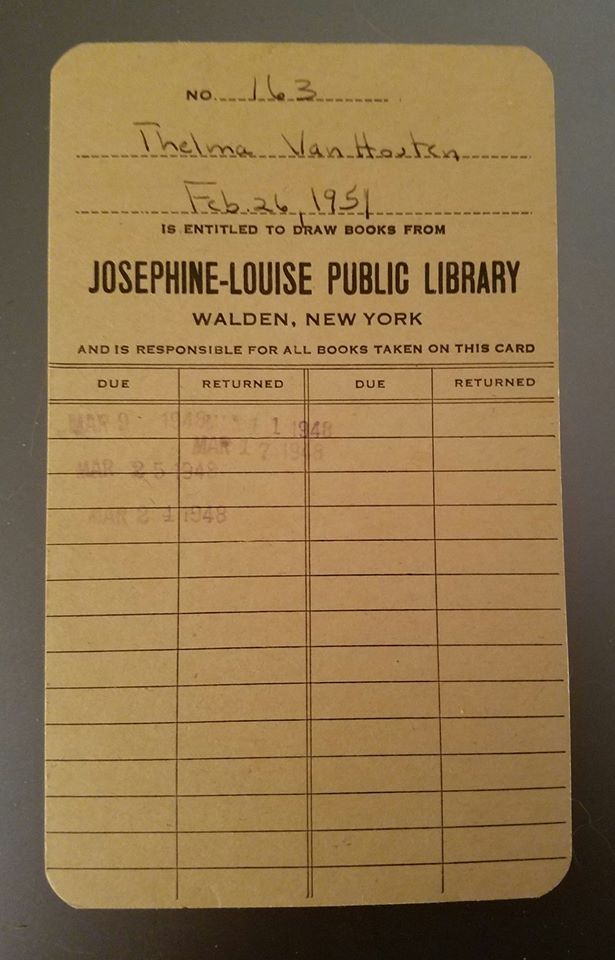
Pre-1951 Josephine-Louise Public Library Card No. 163 issued to Thelma Van Houten
Pre-1951 Josephine-Louise Public Library Card No. 163 issued to Thelma Van Houten (front)
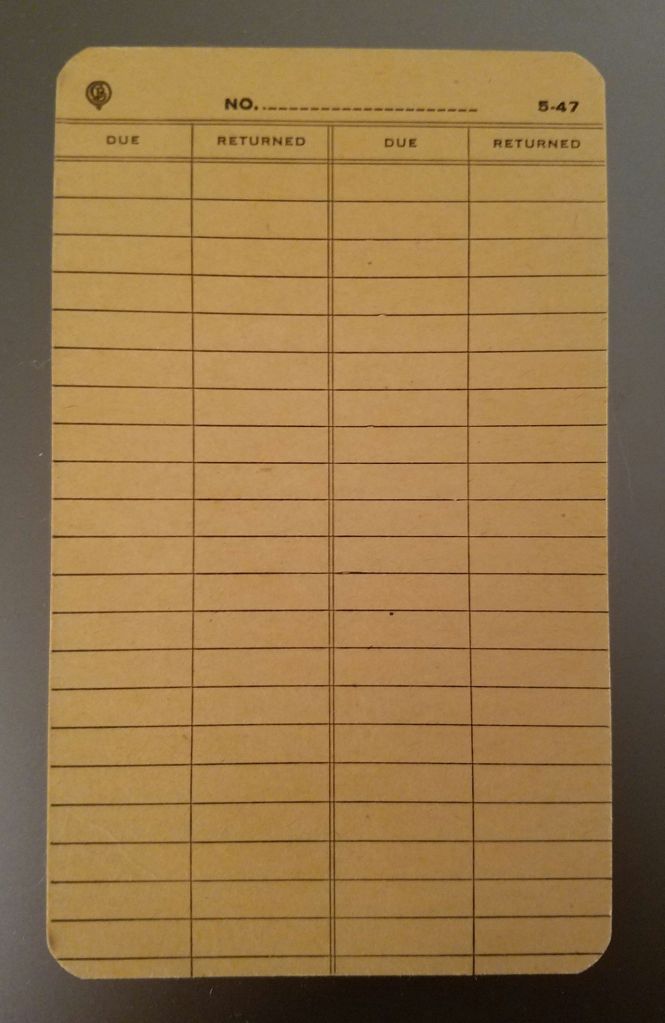
Pre-1951 Josephine-Louise Public Library Card No. 163 issued to Thelma Van Houten (back)
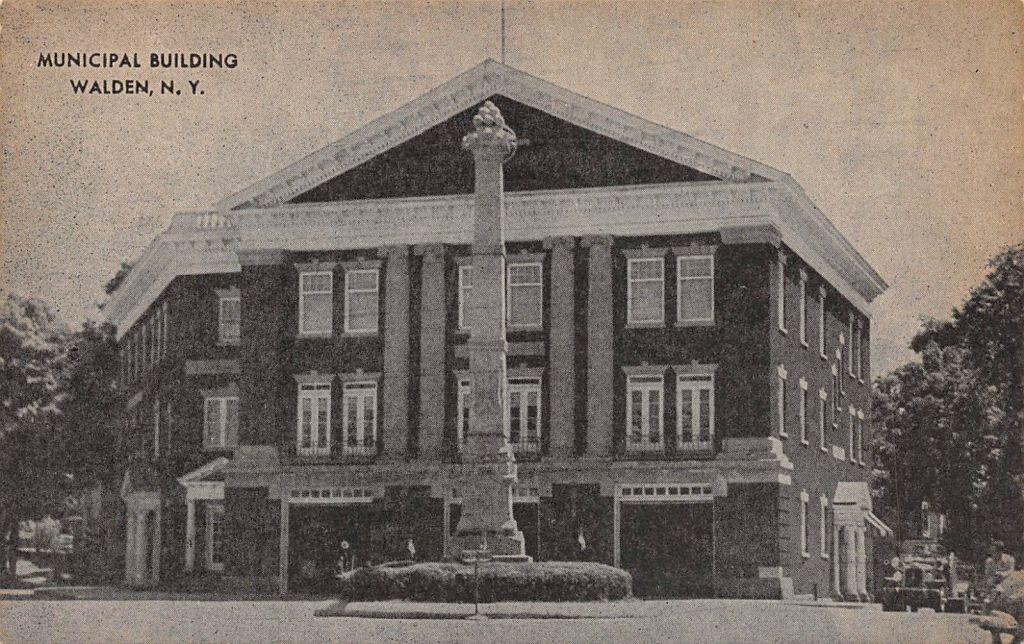
The Josephine-Louise Public Library, Walden, New York
The Josephine-Louise Public Library, Walden, New York (Pre-1923 Public Domain Postcard)
The Josephine-Louise Public Library is a memorial library dedicated to Josephine Dennison Bradley (1843-1903) and Louise Harper Bradley (1869-1900), wife and daughter of Col. Thomas Wilson Bradley (1844-1920), President of the New York Knife Factory, Medal of Honor recipient for his service during the Civil War, and a member of the US Congress.
The library began as a circulating library club in 1896 by a group of Walden residents that included Josephine Bradley. Upon petitioning the Board of Regents of the University of the State of New York, the circulating library was granted a 5-year provisional charter and, in 1901, the first Walden Public Library opened. In 1915, plans to build a new Municipal Building were put into place. Colonel Bradley, in honor of his wife and daughter, matched “dollar for dollar” the town budget to build the new facility which included a firehouse, as well as offices, an assembly room and, of course, a library space. In addition, he fully funded a temporary location in the village hall until the new Municipal Building was completed. The new Walden Municipal Building and Library opened at 5 Scofield Street in Walden in 1916.
Thelma Van Houten
Thelma Louise Van Houten (1/30/1929 – 6/19/1992), life-long New York native.
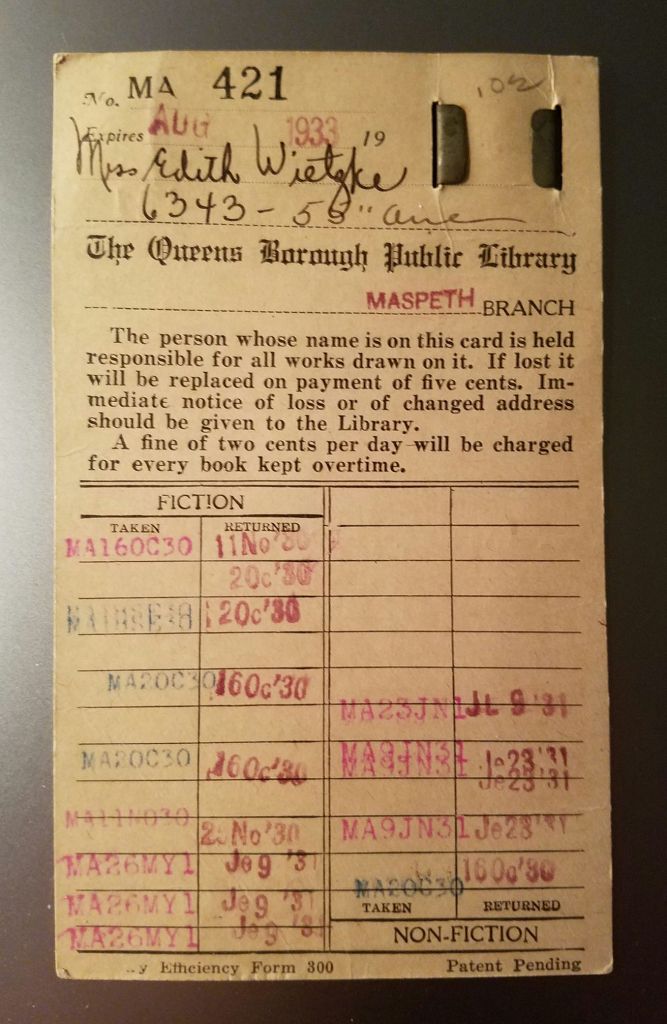
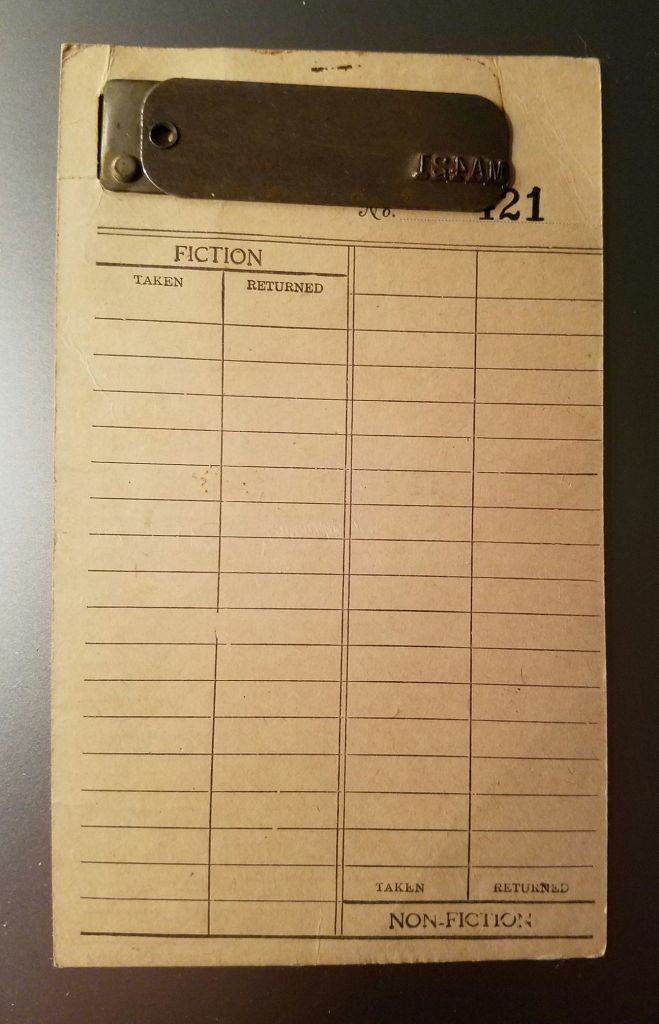
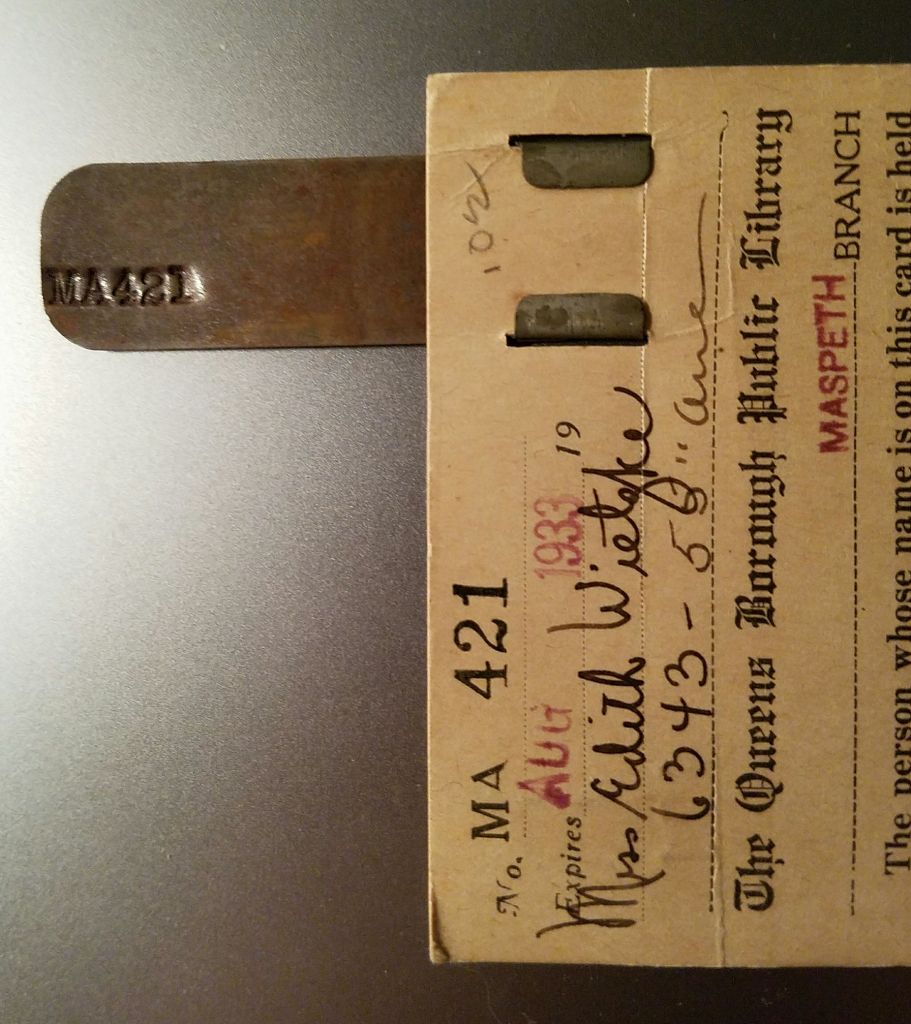
Pre-1930 The Queens Borough Public Library, Maspeth Branch Library Card No. MA 421 issued to Edith Wietzke
The Queens Borough Public Library, Maspeth Branch, Library Card No. MA 421 (front and back)
“Reference Card” with Swivel Number Plate by Joseph Dickman and George Lehman for Library Efficiency Corporation. U.S. Patent No. 1,875,955 issued September 6, 1932.
The Queens Borough Public Library, Maspeth Branch, Queens, New York
In the Report of the Queens Borough Public Library (1906), it was noted that there were large communities in the Queens Borough without library facilities. Maspeth, with a population of 3,800, was among those communities named. With this in mind, the Queens Borough Public Library opened a “traveling library station” at 80 Grand Street in Maspeth on July 27, 1911. Traveling libraries were often housed in drug stores, recreation centers, or other public spaces and tended to by proprietors that were willing to look after the distribution of books. In addition, dedicated “library stations” were housed in rented rooms and open to borrowers three times a week. Trained librarians that travelled to the stations maintained the distribution of the books and would oversee a monthly rotation of the stock to provide readers with an always up-to-date selection.
By July 1929, due to overwhelming use of the Maspeth library station, additional days and evening hours were added to the schedule giving borrowers additional time to use the library station facilities.
Over the years, the Maspeth Branch library station was housed in multiple locations, including 80 Grand Street, Grand Street and Columbia Place, the Legion Building at 47 Grand Street (in 1923); 66-40 Grand Avenue (during the 1930s), and ultimately 69-70 Grand Avenue, when a new facility was built in 1973.
Maspeth Library in the News
The Brooklyn Daily Eagle, March 8, 1921. Clipping courtesy of Newspapers.com. No known copyright restrictions.
Edith Witzke
Edith Wietzke (1913-unknown) was born in Vohwinkle, Germany. In April of 1923, Edith and her mother, Meta (1888-1950), and father, Reinhold (1880-1977), left the turmoil in Germany for Rio de Janeiro, Brazil. Two years later, in May of 1925, Edith’s father set off for America, followed by Edith and her mother three months later. The family settled in Maspeth, New York.
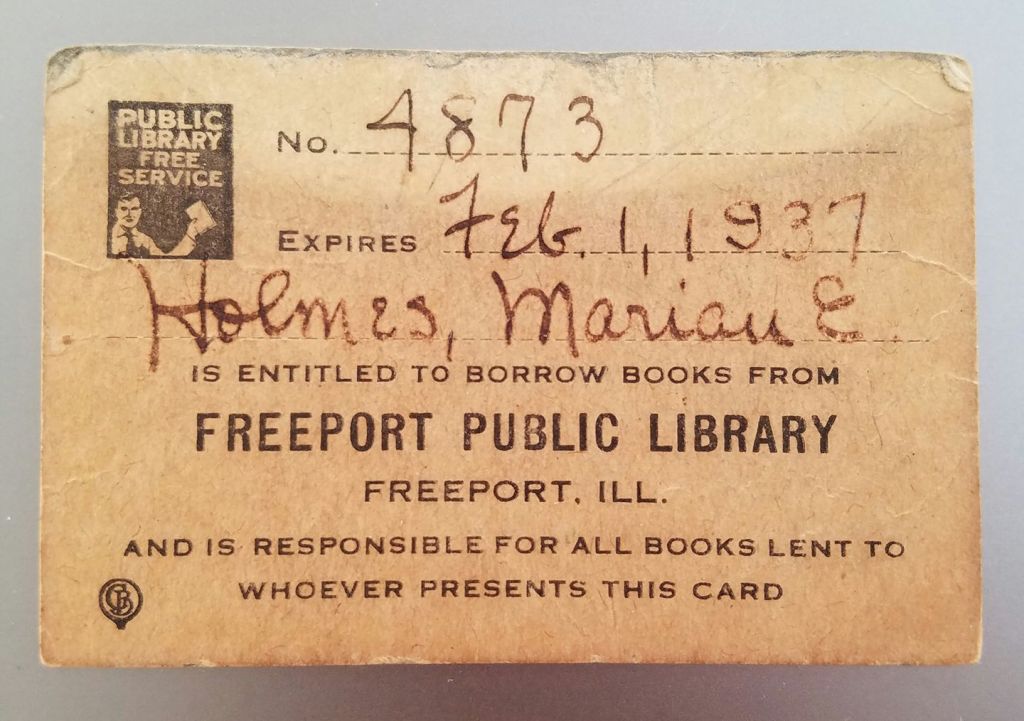
Pre-1937 Freeport Public Library Borrower’s Card No. 4873 issued to Marian E. Holmes
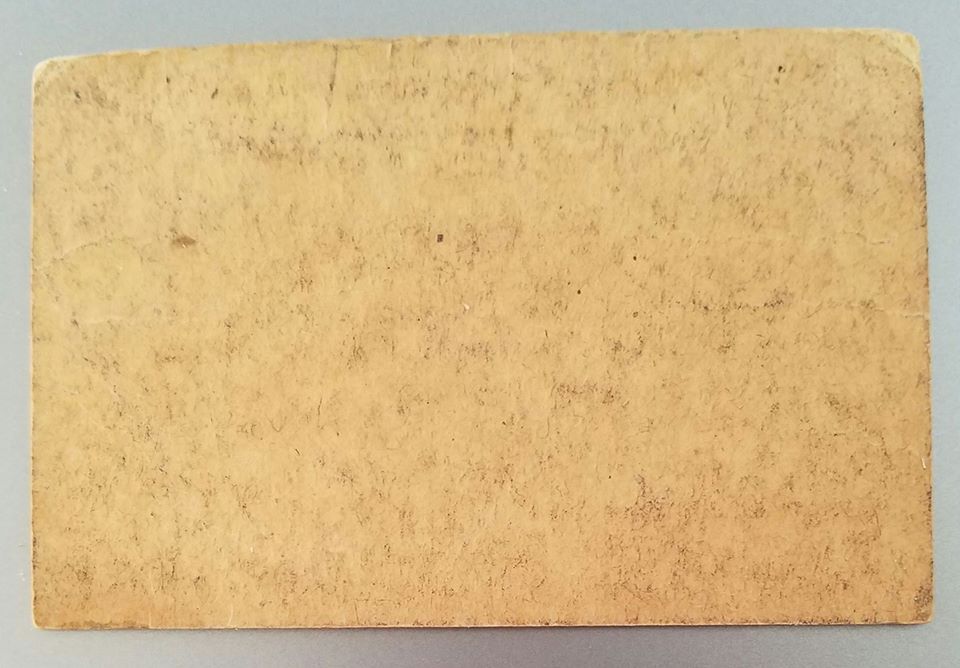
Pre-1937 Freeport Public Library Borrower’s Card No. 4873 issued to Marian E. Holmes (front and back)
Freeport Public Library, Freeport, Illinois
The Freeport Public Library had modest beginnings in 1874 as a small collection of 250 volumes housed in a spare room at the YMCA, which was located over Emmert & Burrell’s drug store at 111 Stephenson Street in Freeport. A subscription fee of 75 cents quarterly permitted the subscriber to borrow books every Saturday afternoon and Wednesday evening. In 1889, the YMCA opened a new building at a site formerly occupied by the First Presbyterian Church at Walnut and Stephenson and made room for the small library.
The Y.M.C.A. building at Walnut and Stephenson Streets, Freeport, IL, second home of the Freeport Library (Public Domain Pre-1923 postcard)
On February 21, 1901, the Carnegie Corporation provided a $30,000 grant to build a new public library building. In 1902, the new public library opened at 314 West Stephenson Street with 19,000 volumes. Designed by Patton and Miller of Chicago, the new library was the first Carnegie library in Illinois. By 1924, the library had issued over 1,200 library cards and inventory had increased to over 43,000 volumes. As the years passed, the city outgrew the West Stephenson Street building, so in 1991 plans were put into motion to construct a new, modernized building. After years of planning, a new 40,000 sf building was opened on Douglas Street in 2002. In 2017, the old Carnegie building underwent a $2.3M renovation and now serves as Freeport’s City Hall.
Freeport Public Library (Public Domain Pre-1923 postcard)
Marian E. Holmes
Marian Elaine Holmes was born in Illinois on May 5, 1889. She married Lloyd Eugene Holmes (1886-1930) and had one son, Stanley Campbell Holmes (1929-2005). After being widowed in 1930, she and Stanley moved to Florida where she was a bookkeeper and secretary. She died in Panama City, Florida in 1966.
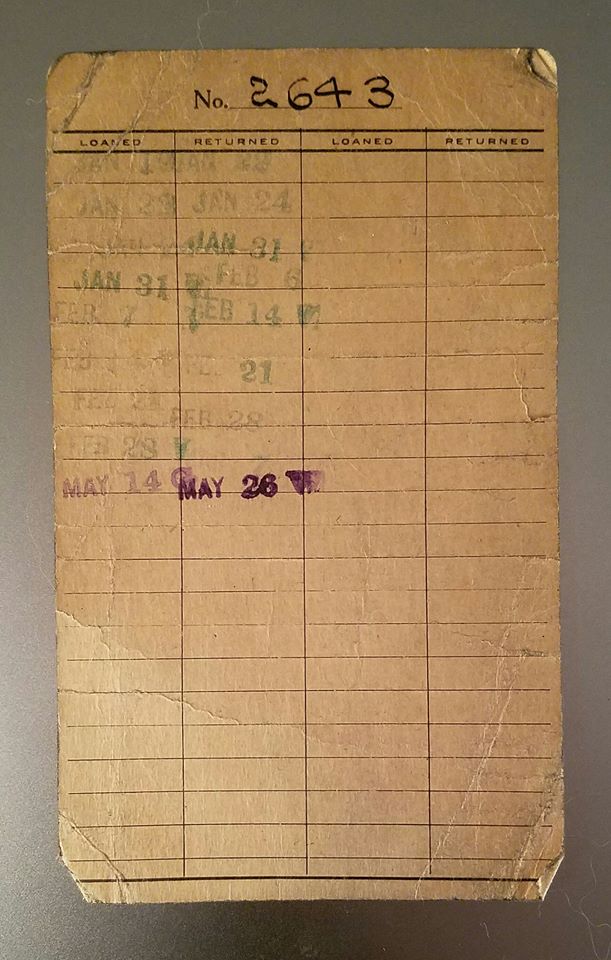
Free Public Library, St. Joseph Missouri, Pre-1915 Library Card No. 2643 issued to Orta Gabbert
Free Public Library, St. Joseph Missouri, Pre-1915 Free Library Card No. 2643 (front)
Free Public Library, St. Joseph Missouri, Pre-1915 Free Library Card No. 2643 (back)
Free Public Library, St. Joseph, Missouri
The Free Public Library of St. Joseph had its beginning as a membership library on the 2nd Floor of the Samuels Building at Sixth and Charles Streets. The space was offered free of charge by Mr. Warren Samuels if money could be raised for the books. After a campaign led by Mrs. John S. Lemon, which raised $3000 through the sale of lifetime memberships at $50 each, the library opened on November 8, 1887. The library inventory held over 3,200 books in its first year of operation. In 1890, public interest in a free library grew and by 1900, construction on a new building began. In the meantime, having outgrown the Samuels Building space, the library relocated to Tenth and Sylvanie Streets. On February 9, 1891, with an inventory of over 5,500 volumes, the Public Reading room opened, followed by the opening of the Circulation Department on March 16, 1891. The library remained at the Tenth and Sylvanie Streets location until March 13, 1902, when the new Carnegie library building opened at Tenth and Felix Streets. Designed by Edmund Jacques Eckle, the French Baroque style building features terrazzo flooring in the foyer, a glass-floored balcony, and a stained glass dome. The building was added to the National Register of Historic Places on September 20, 1982.
Free Public Library at Tenth & Felix Streets built in 1902 (Photo: Edmund Jacques Eckle, Courtesy of United States Library of Congress, Prints and Photographs Division (no know copyright restrictions)
Edmund Jacques Eckle
Edmond Jacques Eckel (1845-1934), was a French architect trained at the Ecole des Beaux Arts. He settled in St. Joseph, Missouri around 1870 and established the architectural firm of Eckel & Meier. Other significant projects include. the German-American Bank Building (now Mosaic), the Corby Building (the tallest building in St. Joseph), the Paxton Hotel in Omaha, Nebraska, and the Courthouse and “Squirrel Cage” Jail in Council Bluffs, Iowa.
Orta Gabbert
Orta Allen Gabbert Conner (1901-1966), was a Missouri native.
Pre-1944 Los Angeles Public Library System, Helen Hunt Jackson Branch, Library Card No. 4H 3669 issued to Mrs. Clara M. Cota
Pre-1944 Los Angeles Public Library System, Helen Hunt Jackson Branch, Library Card No. 4H 3669 issued to Mrs. Clara M. Cota (front)
Pre-1944 Los Angeles Public Library System, Helen Hunt Jackson Branch, Library Card No. 4H 3669 issued to Mrs. Clara M. Cota (back)
Los Angeles Public Library, Helen Hunt Jackson Branch
In the mid 1920s, community growth began to strain the existing Central Branch of the Los Angeles Public Library System. Accordingly, the Helen Hunt Jackson Branch opened to the public on November 1, 1925 at Naomi Avenue and 25th Street in Los Angeles. Named after the 19th Century American writer, Helen Hunt Jackson (1830-1885), who penned the classic novel, Ramona, which told the story of a romance between Ramona, a Scottish-Native American orphan girl and Alessandro, a Native American sheep herder, set during the days of the California missions. The novel had significant positive impact on the cultural image of Southern California. The Spanish Colonial Revival building was designed by C. E. Noerenberg and boasted a 25’ x 26’ main reading room, a separate 22’ x 23’ children’s reading room, and a community room and kitchen.
In 1940, the Helen Hunt Jackson Branch ceased operations as a fully staffed branch library and was converted to a station with a shortened, weekly 21-hour operating schedule. Eventually, the Helen Hunt Jackson Branch ceased operating as a library and was eventually converted into a church building (Rock of Salvation Church).
In 1987, the Helen Hunt Jackson Branch and several other branch libraries in Los Angeles were added to the National Register of Historic Places.
1925 photo of Los Angeles Public Library System, Helen Hunt Jackson Branch, at Naomi Avenue and 25th Street in Los Angeles, California (Photo from the SPNB Collection – Los Angeles Public Library Photo Collection and used in accordance with Title 17 U.S.C. Section 107 and the Doctrine of Fair Use)
Miriam Matthews
Miriam Matthews (1905-2002) was the first African American Librarian for the Los Angeles Public Library System, and the state of California. Called the “Dean of California Black History,” Matthews was instrumental in the creation of Black History Month. During her tenure at the Helen Hunt Jackson Branch, Matthews found a small cache of books devoted to black history in California. She then began researching and preserving the contributions of African Americans to California history and created the Los Angeles Public Library System’s first research collection on Black History.
In 1926, Miriam Matthews earned a Bachelor’s degree, followed by a Certificate in Librarianship in 1927 from UC Berkeley. After graduating, Matthews passed California’s civil service exam despite attempts by civil service administrators to sabotage her efforts. In July 1927, Matthews began working as a Substitute Librarian at the Los Angeles Public Library System’s Robert Louis Stevenson Branch, and within three months, became a full-time Librarian. Matthews remained a branch librarian until taking a leave of absence to earn a Master’s degree in Library Science from the University of Chicago in 1945. After returning to Los Angeles, she was promoted to regional librarian and supervised a dozen branch libraries. Matthews worked with the Los Angeles Public Library System from 1927 until her retirement in 1960.
The Public Library, Fairbanks, Alaska (Public Domain pre-1923 post card)
The Public Library of Fairbanks located at 901 1st Avenue in Fairbanks, Alaska, was built in 1909, with funds provided by Philadelphia philanthropist and cartographer, George Coupland Thomas (1884-1955), who made his fortune publishing atlases, maps and tourist guides. Prior to that, the city of Fairbanks had limited library services provided by the Episcopal Church. The log building served as the public library until 1977, at which point the Noel Wien Public Library opened. In 1978, the building was designated a National Historic Landmark due to the historic conference that took place on July 5 and 6, 1915, when the building was the site of a meeting between Alaska Native leaders and the U.S. federal government, during which native land claims were discussed. It was not until the 1971, when the Alaska Native Claims Settlement Act was enacted, that those matters were resolved.
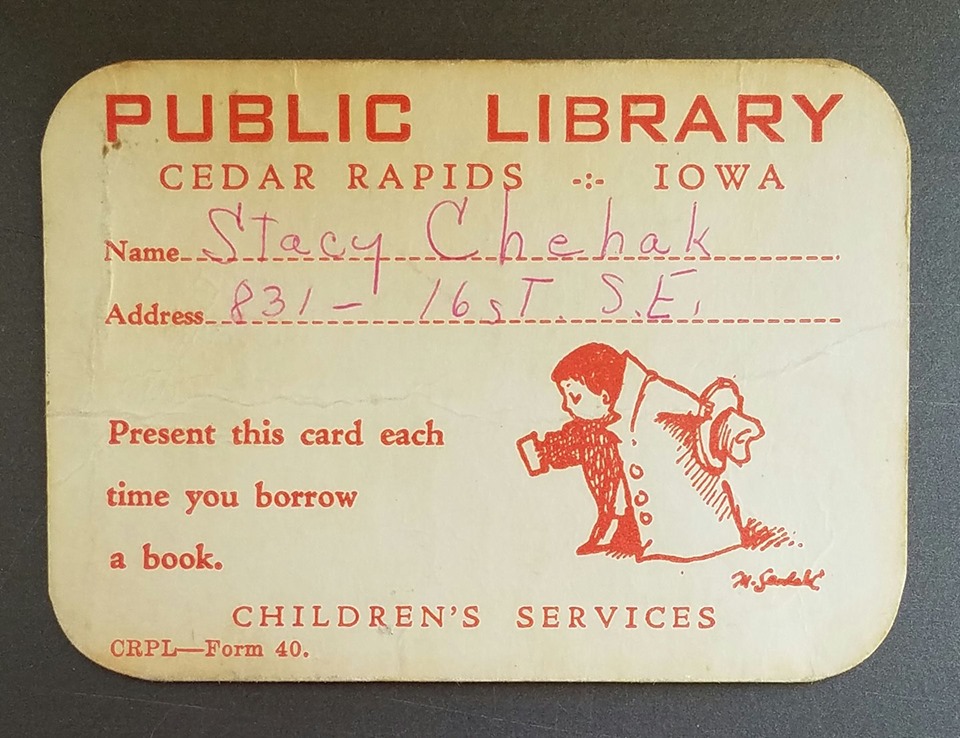
Cedar Rapids Public Library, Children’s Services, 1950s Borrower’s Card, issued to Stacy Chehak
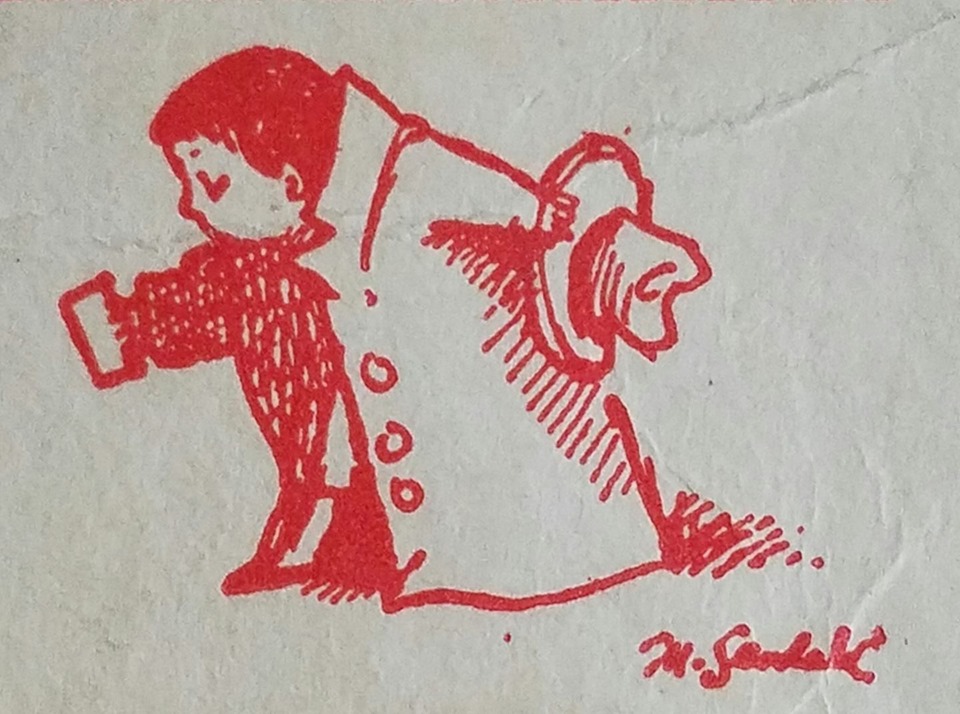
Cedar Rapids Public Library, Children’s Services, Borrower’s CardEarly Maurice Sendak illustration
Cedar Rapids Public Library
Advertisement of the Free Library and Reading Room at First Avenue, The Cedar Rapids Gazette, Friday, January 12, 1883
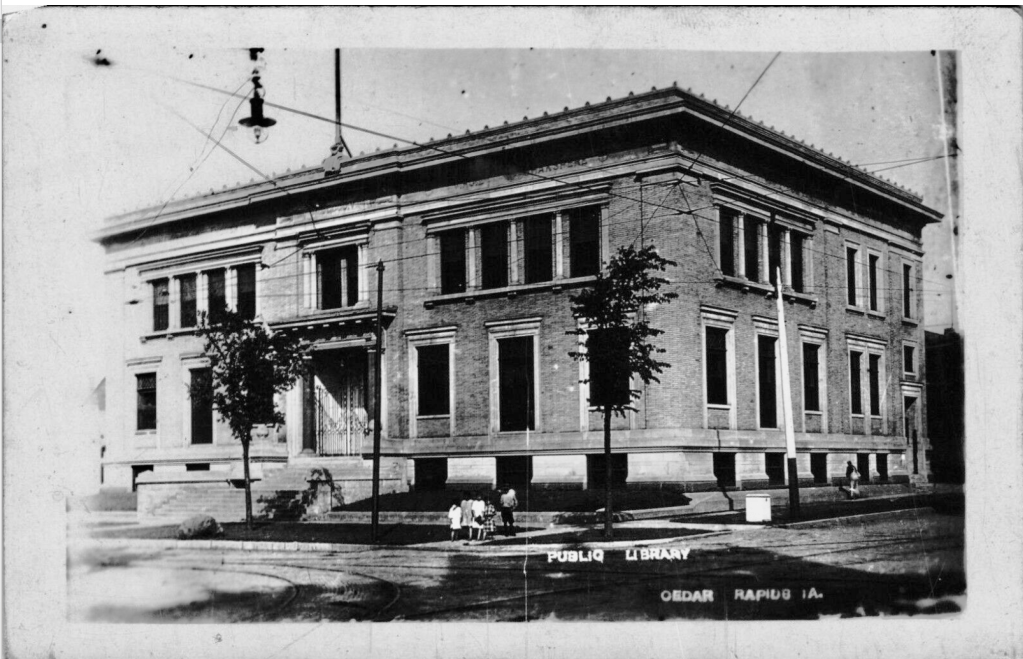
On June 23, 1905, after having outgrown smaller spaces in the Granby Building and Dow Auditorium, which the Cedar Rapids Public Library occupied during the late 1800s, a new 29,000 sq. ft. building funded by Andrew Carnegie opened at Third Avenue and Fifth Street. By the late 1960s, overcrowding would again become a problem. New book donations were turned away and overstock was stored in the basement. In the 1970s, through the donations of the Hall Foundation of Cedar Rapids and other private donors, a new 83,000 sq. ft. building was constructed at 500 First Street SE, which opened on February 17, 1985. However, on June 13, 2008, the city of Cedar Rapids experienced catastrophic flooding which destroyed many private and city buildings, including the main public library. Much of the adult and reference collections were destroyed and the library was forced to relocate to leased space while a new permanent location was constructed. The new Ladd Library opened in August 2013 at 450 Fifth Avenue SE. The former Carnegie building is now the Cedar Rapids Museum of Art and houses the world’s largest collection of the “American Gothic” artist, Grant Wood among other noted Iowan artists.
Cedar Rapids Public Library at 3rd Avenue and 5th Street (public domain postcard)
Anastasia “Stacy” Marie Chehak
Anastasia Marie Chehak (1953-2017) was a nationally-known diabetes expert, author and medical community leader. She was the founder of Anastasia Marie Laboratories, Inc. and The Voice of Diabetes Network, a live radio program. Serving on the US Senate Health Advisory Board under President Ronald Reagan was among her many achievements. A 1978 graduate of the University of Oklahoma’s Health Sciences Center, she dedicated her life’s work to finding a cure for diabetes.
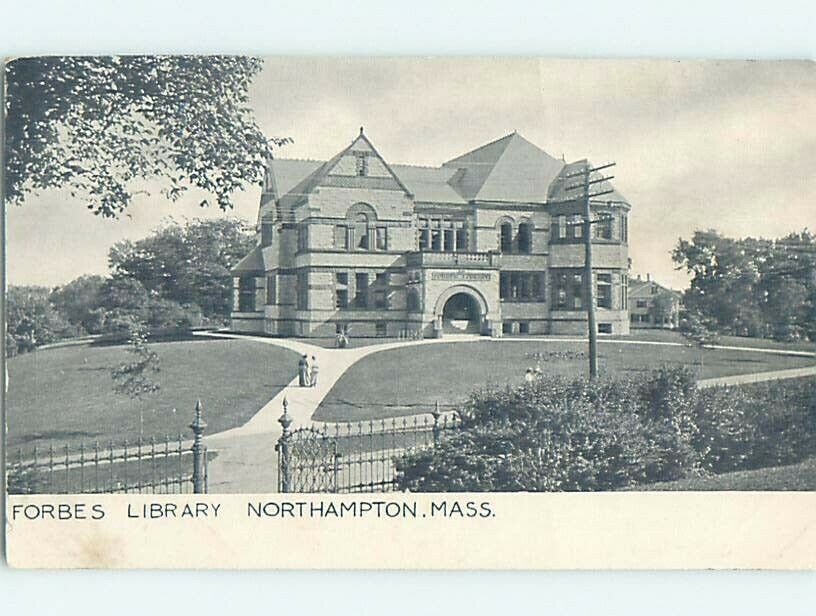
Forbes Library, Northampton, MA (pre-1923 postcard – public domain)
The Forbes Library, also known as “the castle on the hill,” due to its solitary location, opened on October 23, 1894 at 20 West St, Northampton, Massachusetts. Judge Charles Edward Forbes (1795-1881), a desiring a public library for the citizens of Northampton, left in his will a large sum for “purchase of a site and erection of a building for the accommodation of a public library, and for the purchase of books etc. to be placed therein for the use of the inhabitants of the said town of Northampton and their successors forever.”
William C. Brocklesby (1841-1910), who had designed a number of buildings at nearby Smith College, was commissioned to design and build a “fireproof building” to house the new library. Brocklesby designed a Richardsonian Romanesque, three-story stone building with an all steel frame and a stone, slate and copper exterior. The large building could accommodate over 400,000 volumes. The library underwent a complete renovation between 1998 and 2001 and is listed on the Register of Historic Buildings. The Forbes Library is also home to the Calvin Coolidge Presidential Library & Museum.
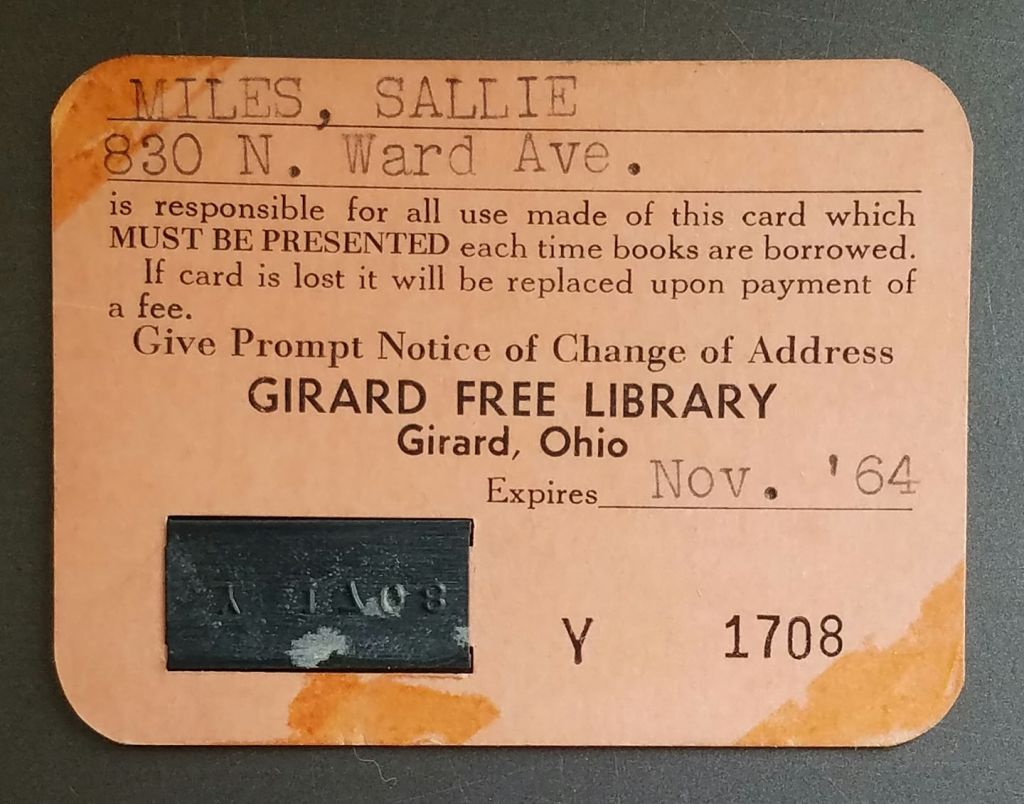
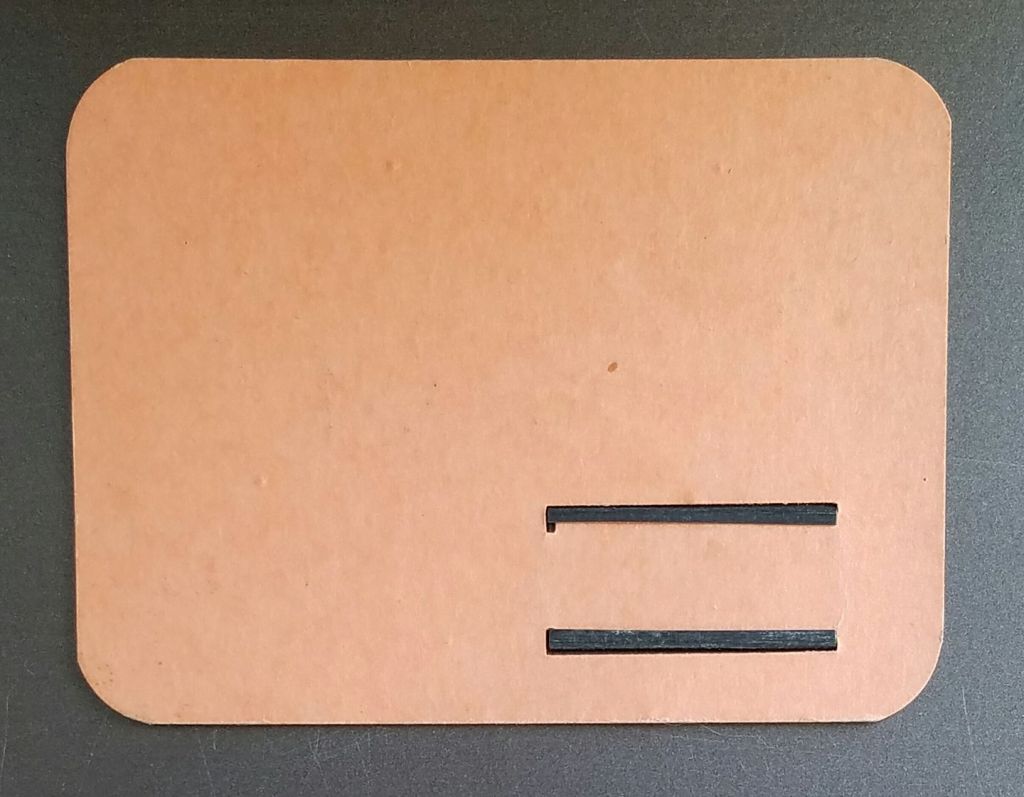
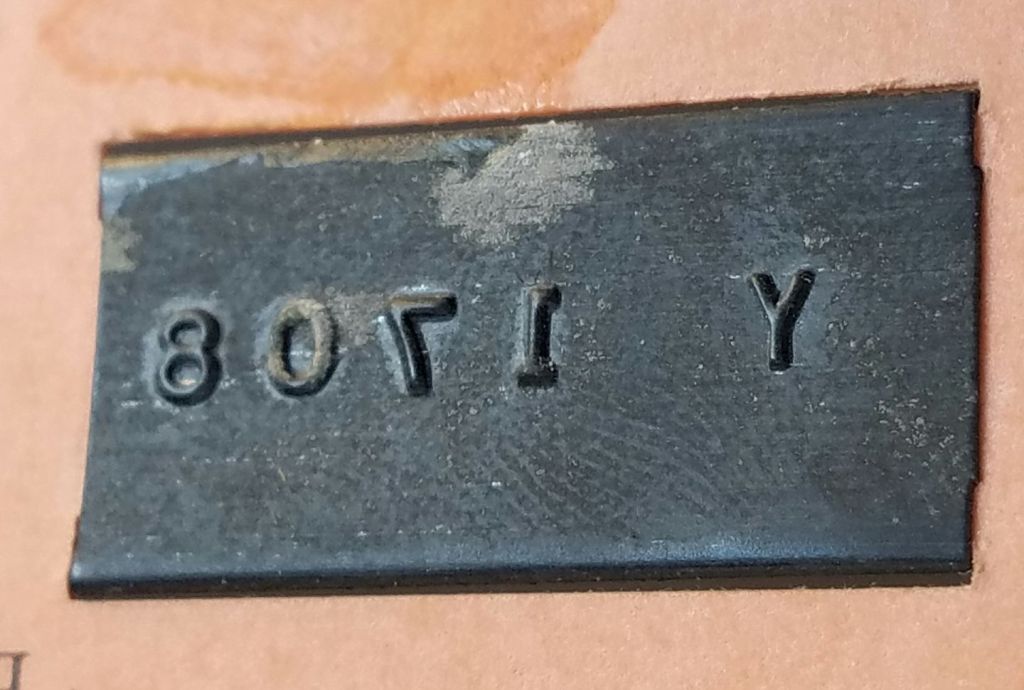
Girard Free Library, Library Card No. Y 1708 (member number type plate)
Girard Free Library
The Girard Free Library opened in 1921 and was housed in the 1861 Italianate-style building formerly called the Union School, Girard’s first school house. Prior to the opening of the library, the Union School was converted to the Village Hall, and subsequently, upon a large population surge and city incorporation, the Village Hall was converted to the City Building and became the home of the first public library in 1921. The Girard Public Library was located in the City Building until 1973 after which a new contemporary building was constructed on East Prospect Street, where the library can be found today.
Girard Town Hall (formerly the Union School) (pre 1923 postcard in the public domain)
Sallie Miles
Sallie I. Miles (1947-2011) was a 25+ year employee of RMI Titanium Co. in Niles, Ohio. She attended Capitol University in Columbus with an emphasis in music and later attended Youngstown State University’s Engineering Department.
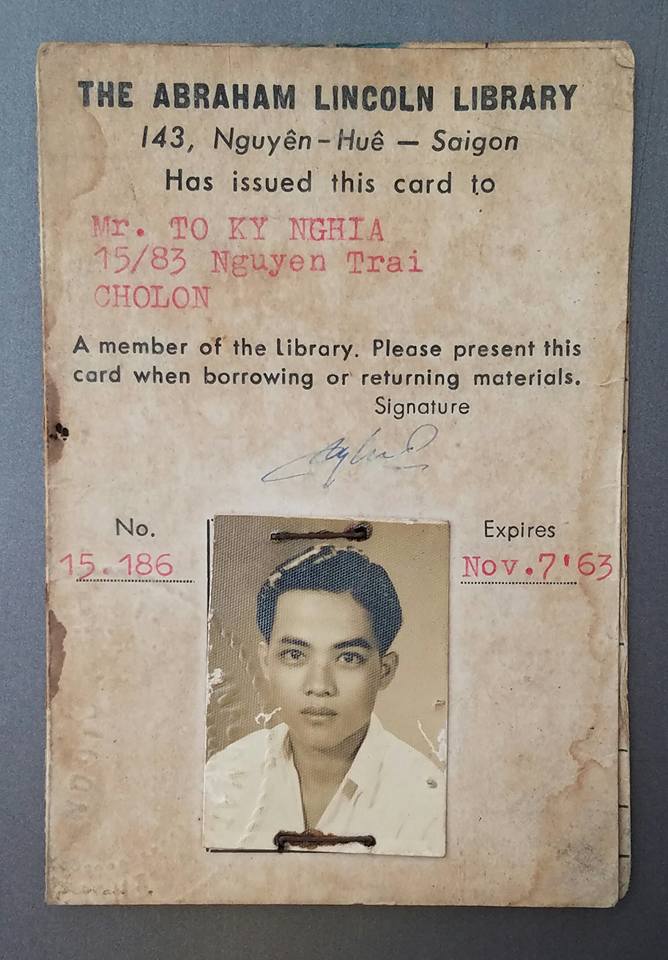
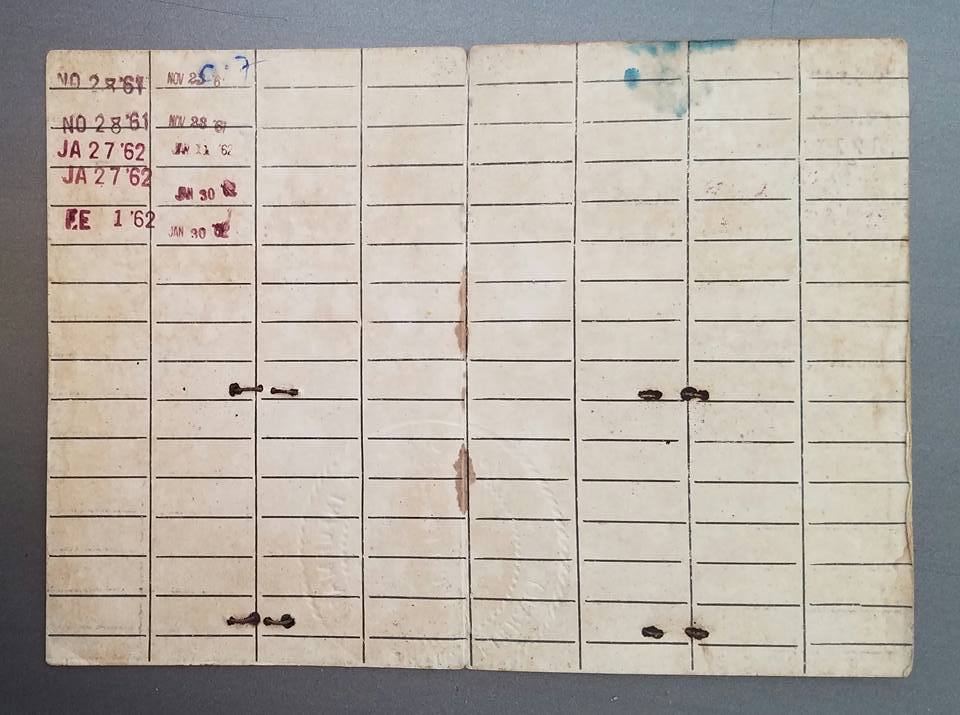
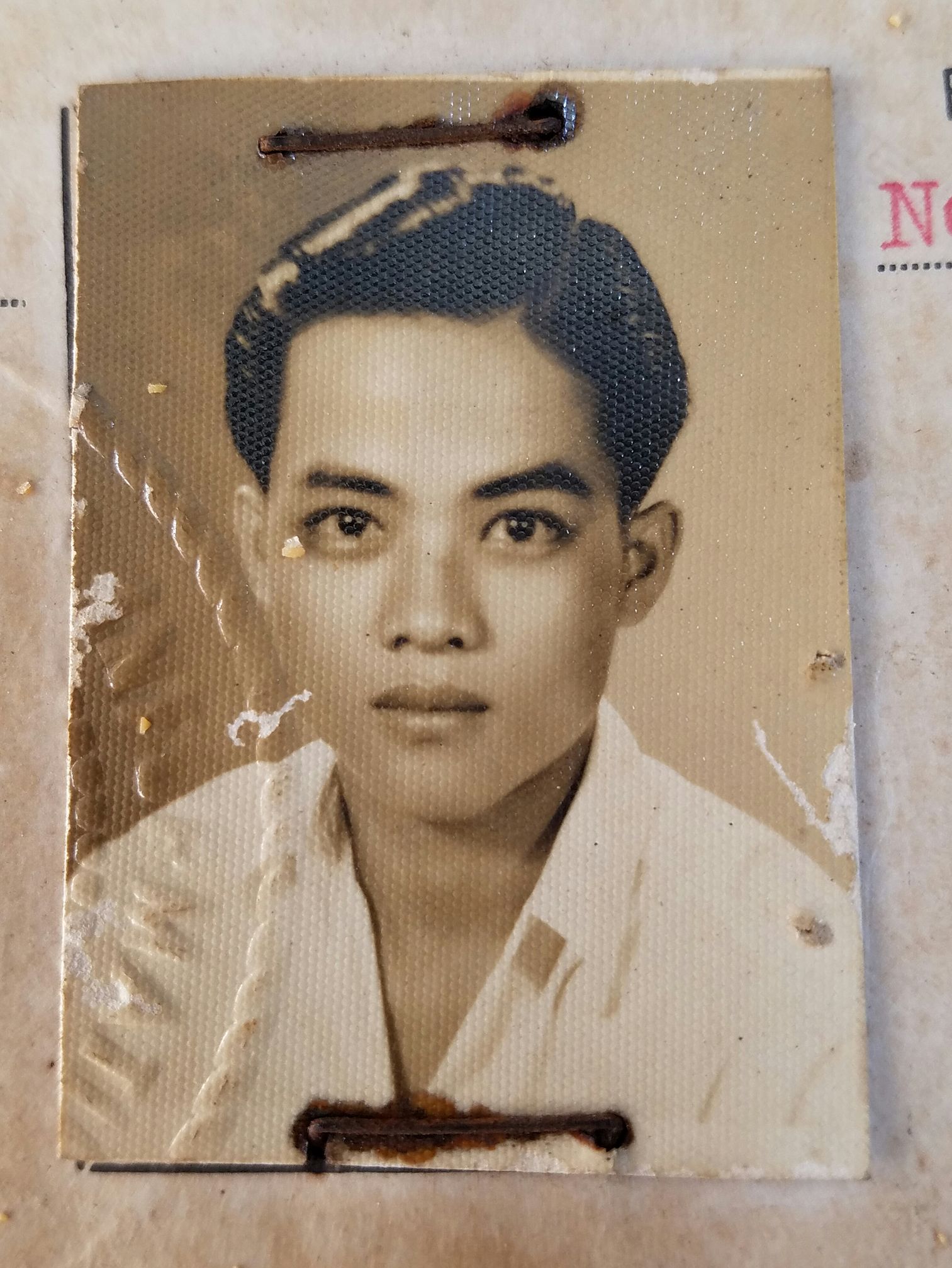
1961-1963 Library Membership Card No. 15-186 issued to Mr. To Ky Nghia
1961 The Abraham Lincoln Library Card (front)
1961 The Abraham Lincoln Library Card (center)
1961 The Abraham Lincoln Library Card (back)
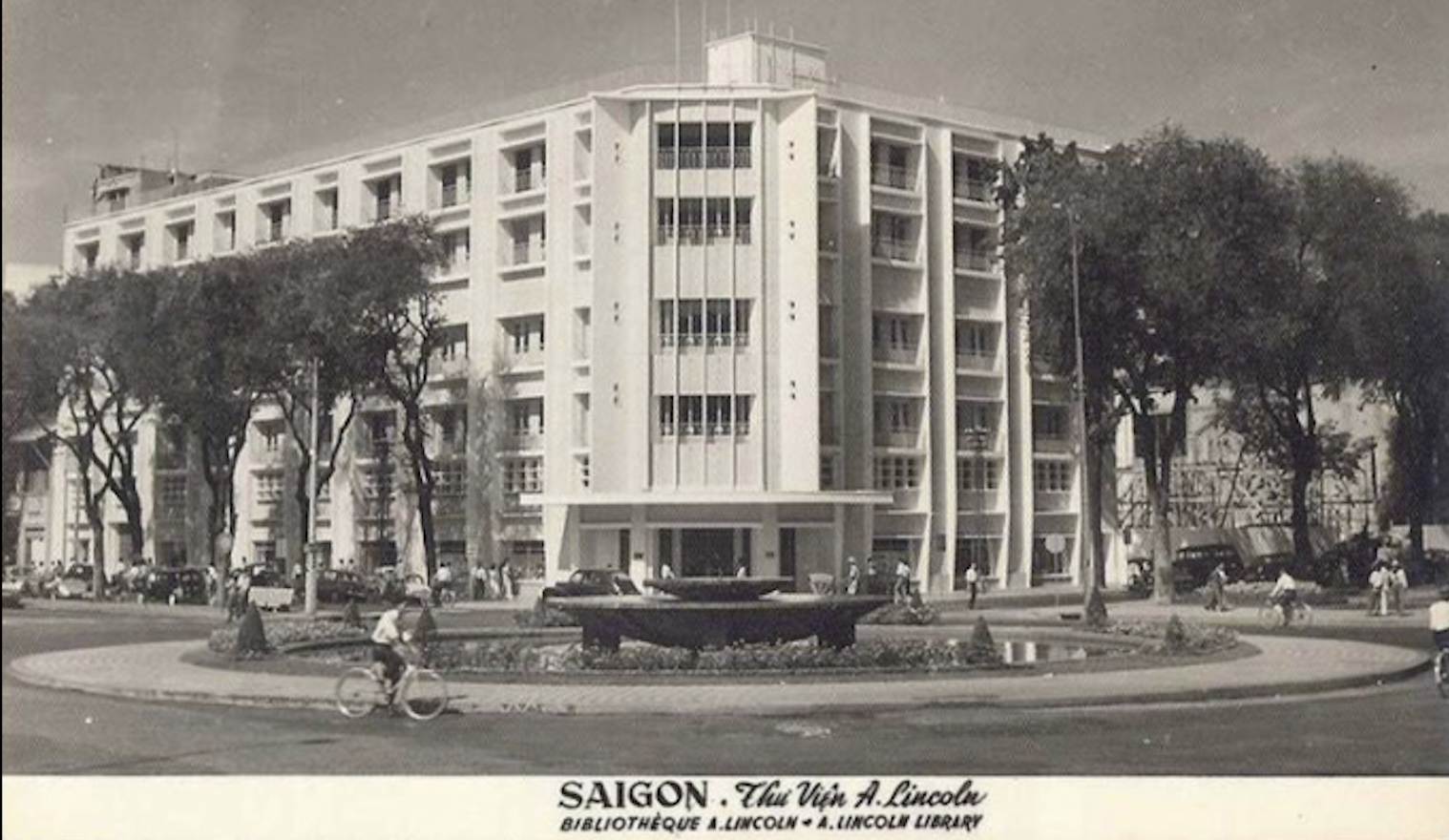
The Abraham Lincoln Library, Saigon
The Abraham Lincoln Library was located in The Rex Complex on Nguyễn Huệ Street in Saigon. The Rex Complex was designed by Vietnamese architect, Lê Van Cấu, for husband and wife, Nguyễn Phúc Ung Thị and Nguyen Thi Nguyet Nga. Mr. Ung, a wealthy businessman born into the Nguyễn dynasty, had long desired to obtain the property located near the Hotel de Ville, which was formerly occupied by a Citroën dealership. In 1959, his wish came true and he and his wife began to renovate the building into a modern 100-room hotel. The renovated hotel featured the first escalator in Vietnam, three cinemas, a cafeteria, a dance hall, and the Abraham Lincoln Library.
Due to the Vietnam War, The Rex Complex was involuntarily surrendered to the Saigon Tourism Bureau in 1975. In 1976, Ung Thi left Vietnam to join his wife and children in France, where they remained until their deaths. The Rex Complex was renamed The Rex Hotel in 1986 and classified as a 5-star hotel in 2008.
The Abraham Lincoln Library located within the Rex Complex (postcard with no known copyright restrictions)
Front entrance to the Abraham Lincoln Library (postcard with no known copyright restrictions)
To Ky Nghia
Mr. To Ky Nghia lived at 15/83 Nguyen Trail in Cholon, Saigon, Vietnam.












 thelibrarycardmuseum.com